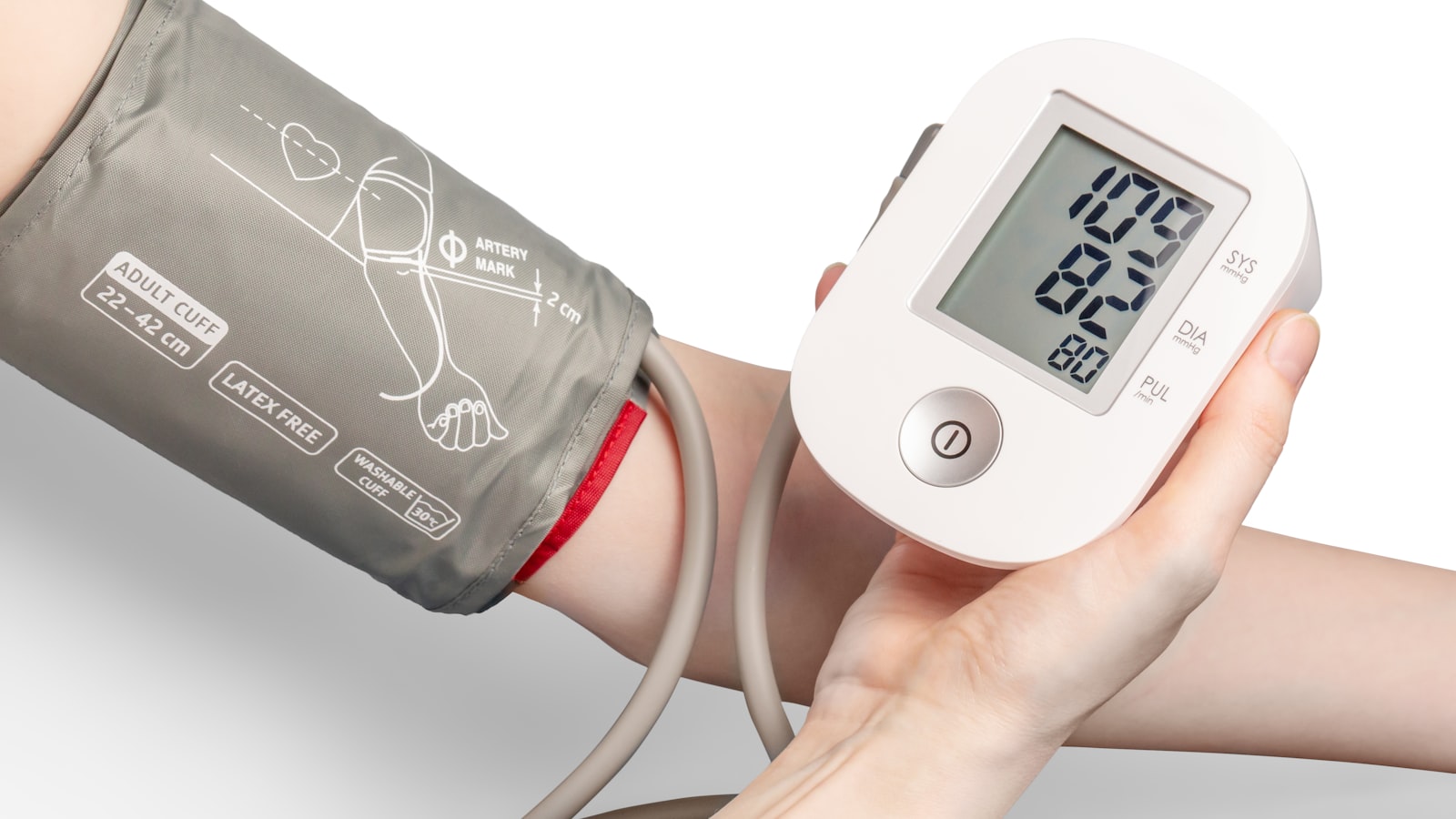
The sounds that surround us are rarely considered a health risk. Traffic hum, aircraft overhead, construction in the distance — they register as annoyance at worst. But a growing body of epidemiological and physiological research reveals something far more serious: chronic noise exposure is an independent risk factor for cardiovascular disease, and it operates through biological pathways that are measurable, persistent, and largely invisible to the person affected.
Unlike air pollution or contaminated water, noise leaves no residue. It does not accumulate in tissue samples or show up in standard blood panels. Yet it acts on the same stress-response systems that govern blood pressure, heart rate, sleep quality, and autonomic balance. The World Health Organization now ranks environmental noise as the second-largest environmental cause of ill health in Europe, behind only air pollution. In dense urban environments across South Asia, where traffic noise regularly exceeds safe thresholds by wide margins, the problem is at least as severe and far less studied.
What makes noise particularly insidious is that the body responds to it even when the conscious mind has tuned it out. You may have learned to sleep through traffic or ignore the drone of a nearby highway. Your cardiovascular system has not.
1. What Counts as Noise Pollution
Sound is measured in decibels (dB), a logarithmic scale where each increase of 10 dB represents a tenfold increase in sound intensity. A quiet room sits around 30 dB. Normal conversation is roughly 60 dB. City traffic ranges from 70 to 85 dB. A motorcycle or leaf blower can exceed 90 dB, and prolonged exposure above this level risks hearing damage.
But cardiovascular harm begins well below the threshold for hearing loss. The World Health Organization's 2018 Environmental Noise Guidelines for the European Region recommend that average road traffic noise should not exceed 53 dB during the day, and nighttime noise should stay below 45 dB to prevent sleep disturbance. For aircraft noise, the recommended daytime limit is 45 dB. These are averages, not peaks — meaning that in many cities, residents are exposed to levels that exceed WHO guidelines for the majority of their waking and sleeping hours.
The distinction between annoyance and harm
Much of the early research on noise focused on subjective annoyance — how much noise bothers people. This framing led to noise being treated as a quality-of-life issue rather than a medical one. The shift in understanding came when large epidemiological studies began showing dose-response relationships between noise exposure and hard cardiovascular endpoints: hypertension, heart attacks, and strokes. The relationship holds even after adjusting for income, air pollution, smoking, and other confounders. Noise is not merely unpleasant. It is physiologically toxic at levels most city dwellers experience every day.
2. The Stress Response: Cortisol, Adrenaline, and the Body on Alert
The mechanism by which noise damages the cardiovascular system begins in the brain, not the ear. When the auditory cortex registers noise above a certain intensity — or noise with certain characteristics, such as irregularity, low-frequency rumble, or sudden onset — it triggers the hypothalamic-pituitary-adrenal (HPA) axis and the sympathetic nervous system. The result is a release of cortisol and catecholamines, including adrenaline and noradrenaline.
In an acute, short-lived scenario, this is a normal and useful stress response. The problem arises when exposure is chronic. Repeated activation of the HPA axis leads to sustained elevation of cortisol, which promotes systemic inflammation, insulin resistance, visceral fat accumulation, and endothelial dysfunction — the deterioration of the inner lining of blood vessels. Chronically elevated catecholamines keep heart rate elevated and blood vessels constricted, increasing cardiac workload even at rest.
The body does not habituate to noise at the physiological level. You may stop noticing the traffic outside your window. Your cortisol levels, blood pressure, and heart rate variability do not.
This distinction between conscious habituation and physiological response is central to understanding why noise is so underestimated as a health risk. Surveys asking people whether noise bothers them consistently underpredict the biological effects measured in the same populations. The stress response to noise is reflexive and subcortical. It does not require awareness, and it does not diminish with familiarity.
3. Noise-Induced Hypertension and Cardiovascular Disease
The epidemiological evidence linking chronic noise exposure to hypertension is now robust. A meta-analysis published in Environmental Health Perspectives found that for every 10 dB increase in road traffic noise, the risk of hypertension rises by approximately 7 to 12 percent. Studies of populations living near airports — where noise exposure is well documented and spatially precise — show similar or stronger associations, with residents in the highest noise zones carrying significantly elevated rates of high blood pressure, ischemic heart disease, and stroke.
The pathways are well characterized. Noise-driven sympathetic activation raises peripheral vascular resistance. Sustained cortisol elevation promotes arterial stiffness. Endothelial dysfunction reduces the ability of blood vessels to dilate in response to demand. Noise-induced oxidative stress further damages vascular walls. Over years, these processes converge on atherosclerosis — the buildup of plaques in arterial walls — and the downstream events it produces: heart attacks, heart failure, and cerebrovascular accidents.
Critically, these effects are not limited to extreme noise environments. Research from the HYENA study (Hypertension and Exposure to Noise near Airports) and the large-scale Danish Diet, Cancer, and Health cohort found significant cardiovascular associations at noise levels commonly experienced in ordinary residential settings near busy roads. This is not a problem confined to construction workers or airport ground crews. It is a population-level exposure.
7-12%
Increase in hypertension risk per 10 dB rise in traffic noise
53 dB
WHO recommended daytime road traffic noise limit
1 in 5
Europeans exposed to noise levels the WHO considers harmful to health
4. How Nighttime Noise Disrupts Sleep Architecture
If daytime noise taxes the cardiovascular system through chronic stress activation, nighttime noise attacks through a different and arguably more damaging channel: the destruction of sleep quality. Sleep is the body's primary window for cardiovascular repair, autonomic rebalancing, and hormonal regulation. When noise fragments that window, the consequences compound night after night.
The sleeping brain does not stop processing sound. Even during deep sleep, the auditory system continues to evaluate incoming stimuli for threat. Noise events — a passing truck, an aircraft flyover, a neighbor's door — can trigger cortical arousals without fully waking the sleeper. These micro-arousals fragment sleep architecture, reducing time spent in slow-wave sleep (the deepest, most restorative stage) and REM sleep. The sleeper may have no memory of waking, yet their sleep has been structurally degraded.
The cardiovascular cost of fragmented sleep
Fragmented sleep elevates sympathetic tone and suppresses parasympathetic activity — shifting autonomic balance toward a chronic fight-or-flight state. It raises morning blood pressure. It impairs glucose regulation. It increases inflammatory markers including C-reactive protein and interleukin-6. Each of these is an independent cardiovascular risk factor, and noise-driven sleep fragmentation produces all of them simultaneously.
The WHO's nighttime noise guideline of 45 dB is set precisely because evidence shows that above this level, the frequency of noise-induced arousals increases significantly, with measurable effects on next-day cardiovascular parameters. In many Indian cities, nighttime ambient noise levels exceed 55 to 65 dB in residential areas — well above the threshold at which sleep is reliably disrupted.
5. Impact on Heart Rate Variability and the Autonomic Nervous System
Heart rate variability — the subtle variation in time between successive heartbeats — is one of the most sensitive and well-validated markers of autonomic nervous system health. High HRV generally reflects strong parasympathetic tone, good recovery capacity, and cardiovascular resilience. Low HRV is associated with increased risk of cardiac events, poor stress adaptation, and systemic inflammation.
Noise exposure reliably suppresses HRV. Studies using ambulatory ECG monitoring in noise-exposed populations show reductions in both time-domain and frequency-domain HRV metrics during and after exposure to traffic and aircraft noise. The effect is particularly pronounced during sleep, when the parasympathetic nervous system should dominate. Nighttime noise shifts the autonomic balance toward sympathetic dominance precisely when the body most needs to recover.
Heart rate variability is one of the first biomarkers to reflect the physiological cost of noise — often declining measurably before blood pressure or resting heart rate show any change.
This makes HRV a potentially valuable early-warning signal for noise-related cardiovascular strain. A person living in a high-noise environment may not yet have clinically elevated blood pressure, but their HRV trend — tracked continuously over weeks — may already reveal a pattern of suppressed parasympathetic recovery that precedes harder endpoints. The signal is there before the disease. The question is whether anyone is measuring it.
6. Urban vs Rural: The Noise Exposure Gap
The difference in noise exposure between urban and rural environments is not merely a matter of degree. It is a difference in kind. Urban residents face a dense, overlapping tapestry of noise sources — road traffic, rail, construction, commercial activity, nightlife, emergency sirens — that creates a near-continuous baseline of elevated sound. Rural environments, by contrast, typically sit at ambient levels of 30 to 40 dB, with intermittent peaks from agricultural machinery or weather rather than sustained mechanical noise.
Epidemiological comparisons consistently show lower rates of hypertension, cardiovascular mortality, and sleep disturbance in rural populations, even after controlling for differences in diet, physical activity, smoking, and healthcare access. While noise is not the only environmental factor at play — air quality, green space, and pace of life all differ — it is increasingly recognized as a significant independent contributor to the urban-rural health gap.
The Indian context
India's noise problem is particularly acute. The Central Pollution Control Board's noise standards set residential daytime limits at 55 dB and nighttime limits at 45 dB, broadly consistent with WHO guidelines. In practice, monitoring data from major cities regularly records residential-zone noise levels of 65 to 75 dB during the day and 55 to 65 dB at night — exceeding standards by 10 to 20 dB in many areas. In commercial and traffic zones, levels above 80 dB are common. For the hundreds of millions of Indians living in dense urban settings, chronic noise exposure is a default condition, not an exception.
7. Mitigation, Measurement, and the Role of Continuous Monitoring
Reducing noise exposure is the most direct intervention, and it operates at multiple scales. At the urban planning level, traffic management, sound barriers, zoning regulations, and green buffer zones can meaningfully reduce residential noise. At the individual level, practical steps include using well-sealed windows, choosing bedrooms on the quieter side of a building, using white noise to mask intermittent sound peaks during sleep, and wearing hearing protection in high-noise environments.
But mitigation alone is not always sufficient, and many people have limited control over their acoustic environment. This is where continuous physiological monitoring becomes valuable — not as a noise meter, but as a way to see the body's response to its environment over time.
A wearable device like Aura Clarus does not measure decibels. What it measures are the downstream consequences of chronic noise exposure — the biomarkers that noise acts on. A declining HRV trend over weeks may reflect noise-driven autonomic strain. A rising resting heart rate may signal sustained sympathetic activation. Fragmented sleep patterns visible in nightly sleep data may correlate with nighttime noise events the wearer does not consciously register. None of these signals diagnose noise as the cause on their own, but together, tracked continuously, they create a physiological portrait that can prompt investigation.
The practical value is in awareness. A person who notices a persistent drop in HRV or a worsening sleep trend after moving to a noisier apartment, changing work shifts, or living through a period of nearby construction gains a reason to act — to invest in soundproofing, adjust sleep timing, or raise the issue with local authorities. Without continuous measurement, the same physiological erosion happens silently, with no feedback until a clinical endpoint appears.
Noise pollution is not a nuisance. It is a cardiovascular risk factor that operates through well-understood biological pathways, affects hundreds of millions of people in their own homes, and is almost entirely absent from routine health assessments. The stress response it triggers does not require awareness and does not diminish with familiarity. The sleep it fragments cannot be recovered by morning. The autonomic damage it inflicts is measurable long before it produces a diagnosis.
What has changed is our ability to see the effects. Continuous biomarker tracking makes the invisible visible — not the noise itself, but what it does to the body over time. That visibility is the first step toward acting on one of the most overlooked environmental threats to long-term cardiovascular health.
This article is published by Adarna Inc. for educational and informational purposes only. It does not constitute medical advice. Consult a qualified healthcare professional before making any health-related decisions.